Header Newsletter (2)

Hi there! 

Welcome to the Summer 2026 edition of Argenta Regulatory Insights.
In this issue, we bring you a concise overview of the most important regulatory developments shaping the food and feed sector across the EU and US, along with key scientific and technical insights to support your strategic decisions.

Regulatory timelines are getting longer, EFSA's scrutiny is intensifying, and the Omnibus simplification is reshuffling submission strategies across EU market. 
In this Newsletter edition, we break down what has changed, what it means for your pipeline, and where the real opportunities lie.
Whether you are preparing a first dossier or managing an application already in progress, the developments below deserve your attention.


Newsletter Section - Regulatory Signals_Summer (1)

Several EFSA Guidance updates are affecting companies preparing for EU food and feed submissions.
Here is what has changed - and what you should do next.

  • EFSA's new Catalogue of Guidance Documents centralises all current and historical guidance in one searchable platform.
    What this means: Pre-submission planning just got more efficient.

  • Revision of the Target Animal Safety (TAS) guidance and requirements for reporting silage efficacy studies
    What this means: If you have feed additive studies in progress, review your study designs against the updated requirements now to avoid costly amendments.

  • EFSA published a revised guidance for food additive applications.
    What this means:  Applicants should re-check data requirements before submission - non-compliance triggers clock-stop requests that add months to your timeline.

  • The draft PARNUTs guidance signals more structured, evidence-driven applications in the EU
    What this means:  If you are developing a PARNUTs application, begin aligning your clinical data strategy to the new framework early.  


Newsletter Section - Key Regulatory Developments in EU_Summer

The evolving regulatory framework is increasing the premium on submission quality, transparency readiness, and strategic pre-planning.
In this edition we cover the EFSA application journey, Omnibus simplification, regulatory considerations for insect-derived ingredients, and an update on antibiotic alternatives - alongside an overview of US pathways for companies with cross-Atlantic ambitions.

UK Logo_for Newsletters (3)

European Union Regulatory Developments


AdobeStock_475791658_cut
AdobeStock_240667483

Omnibus Simplification

A series of public consultations were opened in May 2026 on the Omnibus simplification package. The proposed changes are significant for any company managing authorisations in the EU:

  • Renewals become more focused: the automatic 10-year renewal cycle is proposed to be removed for most feed additives, but retained for certain categories such as coccidiostats and histomonostats.

  • Authorisation changes get simpler: changes to the authorisation holder shift to an administrative notification, with updates reflected directly in the Feed Additive Register.

  • Targeted modifications become possible: for non-holder-specific authorisations, operators can request changes to use conditions with focused supporting data, rather than a full new application.

  • Technical updates become easier: EURL reports and, where needed, additional EFSA data requests can support updates to existing authorisations.

  • Labelling gets more flexible: the proposal introduces greater flexibility in feed additive labelling rules.

 Behind the Scenes: a feed / food additive application journey through EFSA

EFSA's handling of food and feed additive applications has become significantly more transparent under Regulation (EU) 2019/1381 — but that transparency cuts both ways. Companies gain greater visibility into dossier progress, while submission quality and confidentiality claims face far greater scrutiny.

In practice, the process begins with EFSA's completeness check after the European Commission forwards a dossier via e-FSCP.

Within roughly 30 days, EFSA verifies data completeness, confirms study notification compliance, and may request missing information.

Once validated, the scientific assessment begins - with confidentiality assessed in parallel. Unsupported redaction claims are increasingly challenged.

Action point:

If you hold authorisations that currently rely on the automatic 10-year approval cycle, be sure to stay updated with upcoming changes.

The bottom line:

The bottom line: robust pre-submission planning, accurate study notification, and well-structured dossiers are the most reliable way to avoid delays. Quality at submission is now also transparency readiness.

EFSA Guidance documents

Catalogue of EFSA Guidance Documents

EFSA's new Catalogue of Guidance Documents consolidates all guidance into a single, searchable platform - covering current, transitional, and obsolete documents across food additives, feed additives, novel foods, and more.

A harmonised category classification system clarifies whether documents are cross-cutting or sector-specific.

For applicants, the practical impact is meaningful: centralised access reduces the risk of referencing outdated guidance, and clearer categorisation supports more robust dossier preparation.

The standardised development process for future guidance also improves predictability - a significant advantage for long-horizon product strategies.

AdobeStock_305246337

Human Nutrition Applications

Download
AdobeStock_467391008

Feed Applications

Download

Newsletter Section - US Regulatory Pathways_Summer2

US feed ingredients pathways: choosing the right route

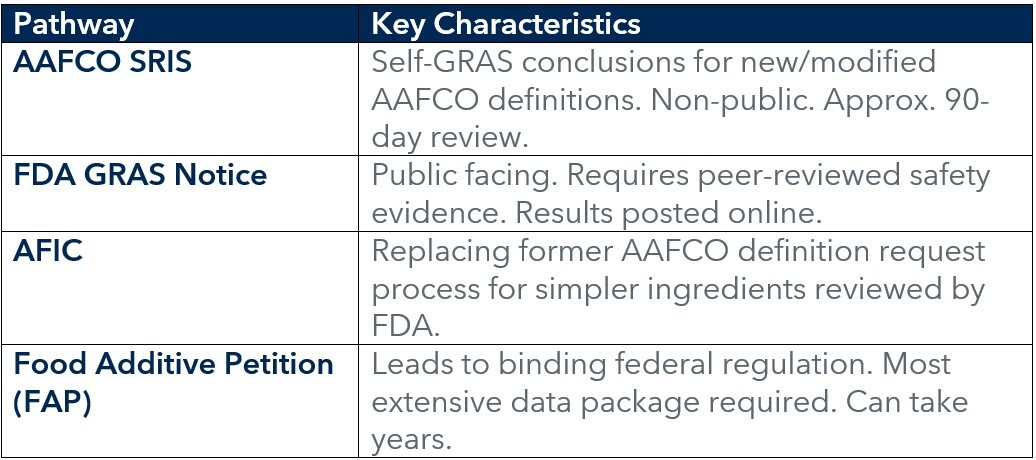
The US regulatory landscape for animal feed ingredients is evolving, with important distinctions now emerging among AAFCO SRIS, FDA GRAS notices, AFIC, and Food Additive Petitions (FAPs).
The appropriate pathway is driven by the nature and availability of safety data, intended use, and claim type - and choosing the wrong route can cost years.US_Pathways_table2
FDA is also developing an approach to zootechnical additives, which may open new opportunities for non-nutritional claims - but brings heightened regulatory risk, including environmental review.

At this time the FDA has applied animal drug classification with enforcement discretion, for example for methane reduction solutions.


Not sure

Not sure which pathway fits your ingredient?

Book a 30-min complementary introductory call to learn how Argenta can support.


Newsletter Section - US Regulatory considerations for Insects

Interest in alternative protein sources is growing, and insect-derived ingredients are attracting increasing attention across both animal and human nutrition.


AdobeStock_894664283
AdobeStock_111487332
AdobeStock_261891788

Animal Nutrition

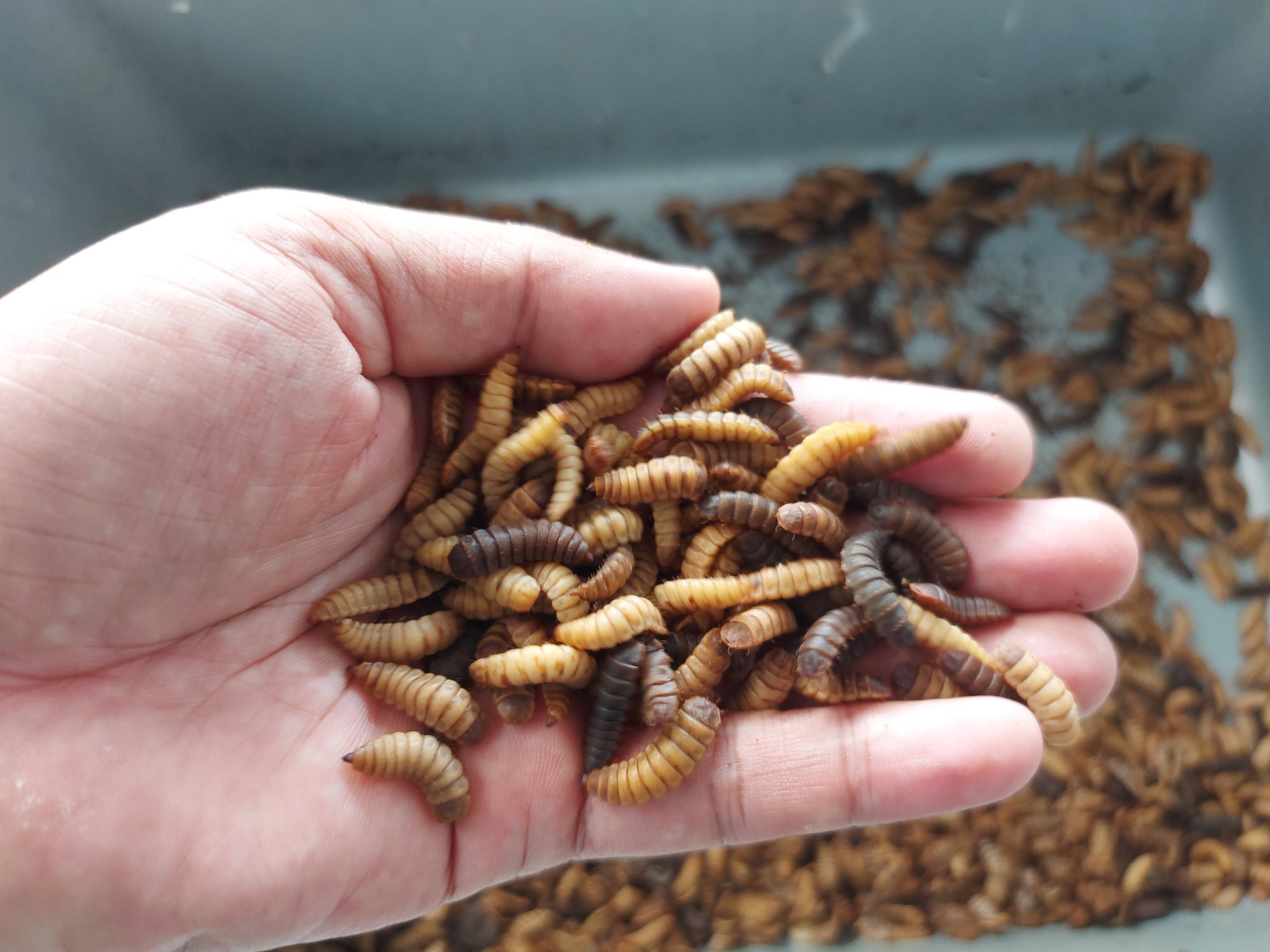
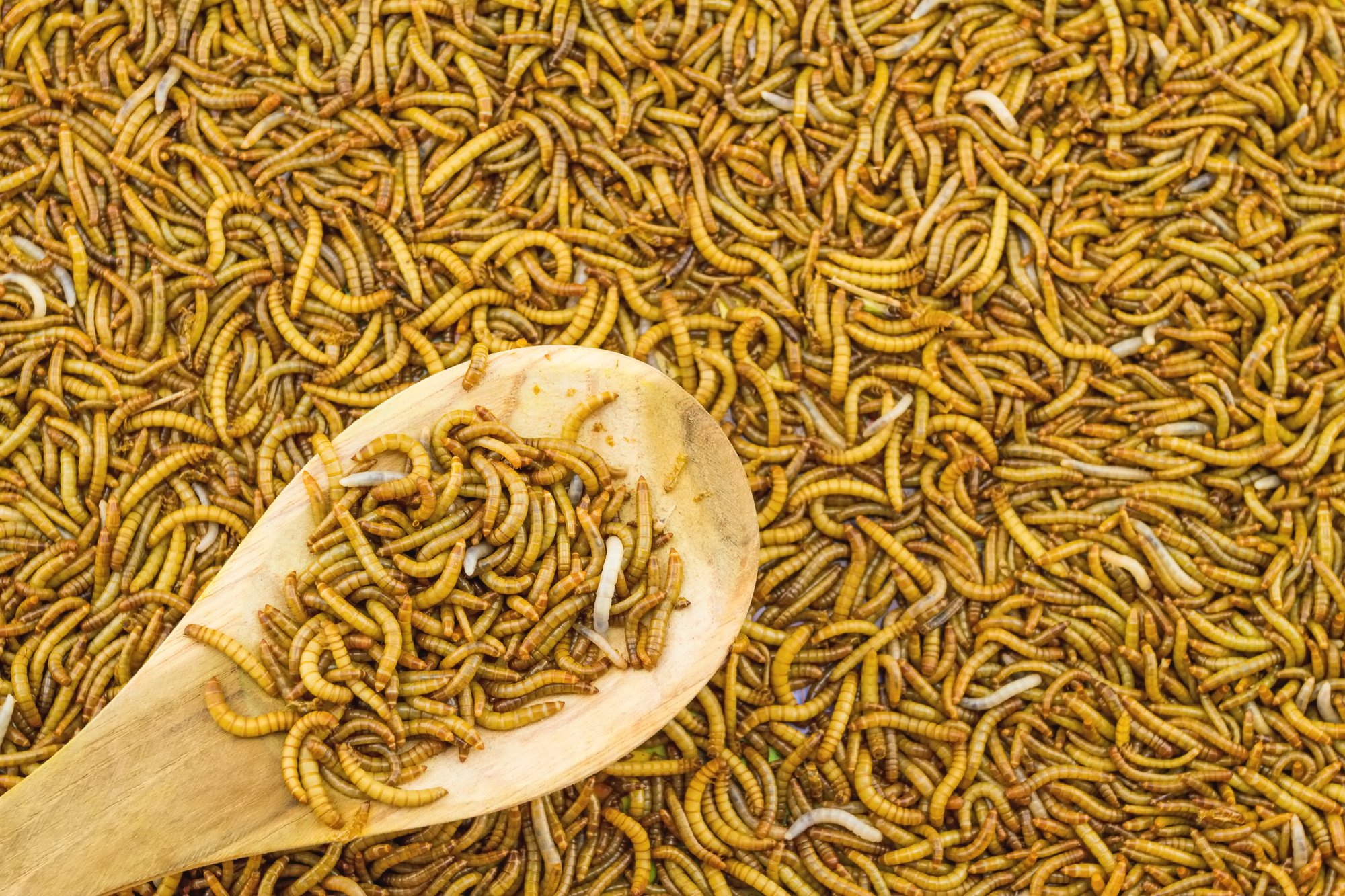
In the EU, the insect market remains tightly controlled. Processed animal protein derived from insects may only be produced from authorised species - including black soldier fly, housefly, yellow mealworm, lesser mealworm, silkworm, house cricket, banded cricket, and field cricket.

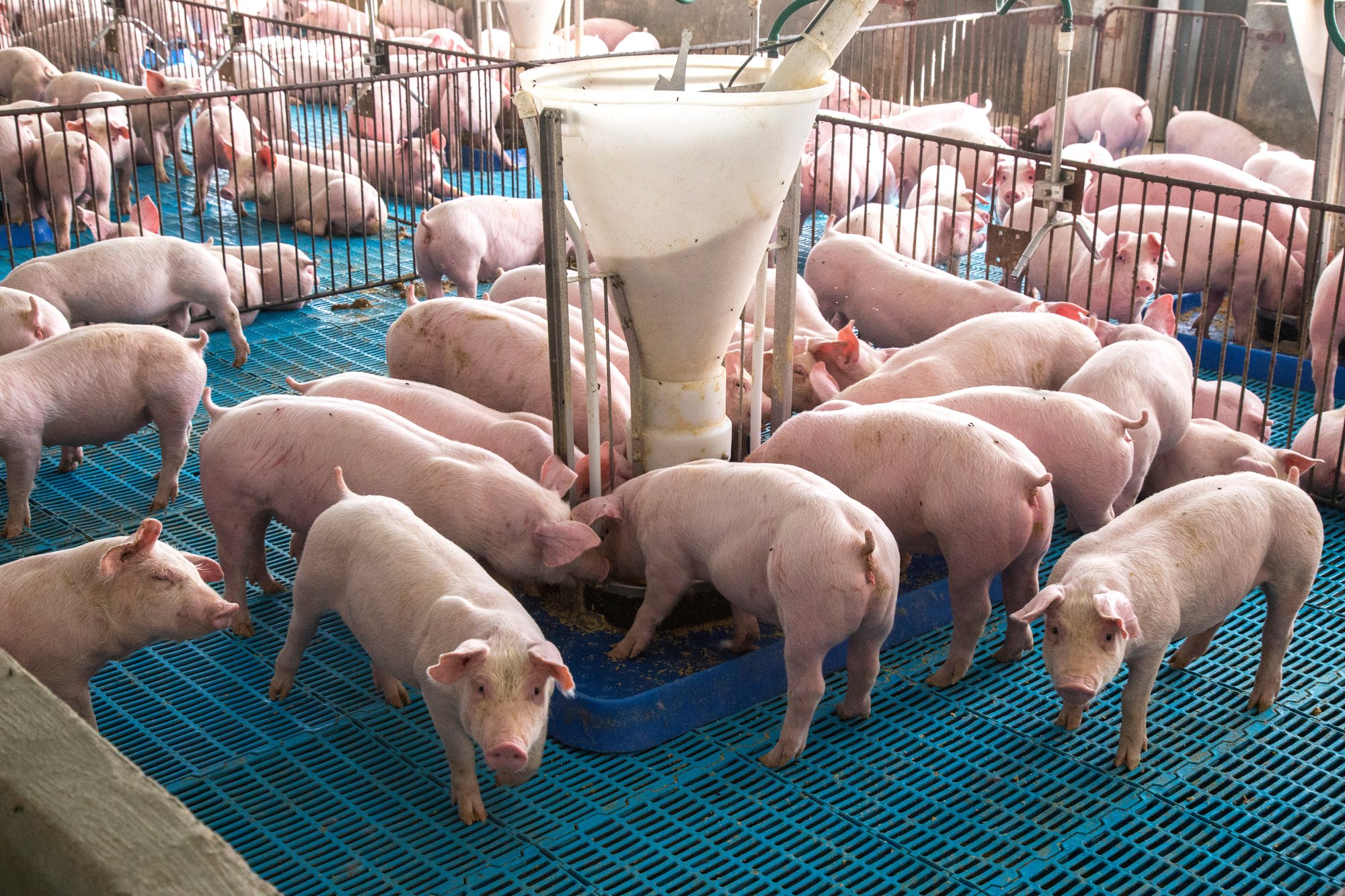
Use is also limited to specific animal categories: aquaculture, poultry, pigs, and pet food.

Substrates used to rear insects must meet EU requirements.

Innovation is expanding in feed additives for insects: EFSA has recently issued a positive opinion on a zootechnical application demonstrating improvements in honeybees.

Human Nutrition

In the EU, insect products are novel foods unless they have a recognised history of consumption. Authorisations have already been granted for specific forms and uses of yellow mealworm, lesser mealworm, migratory locust, and house cricket - with multiple additional applications in the pipeline.

These authorisations are product- and process-specific.

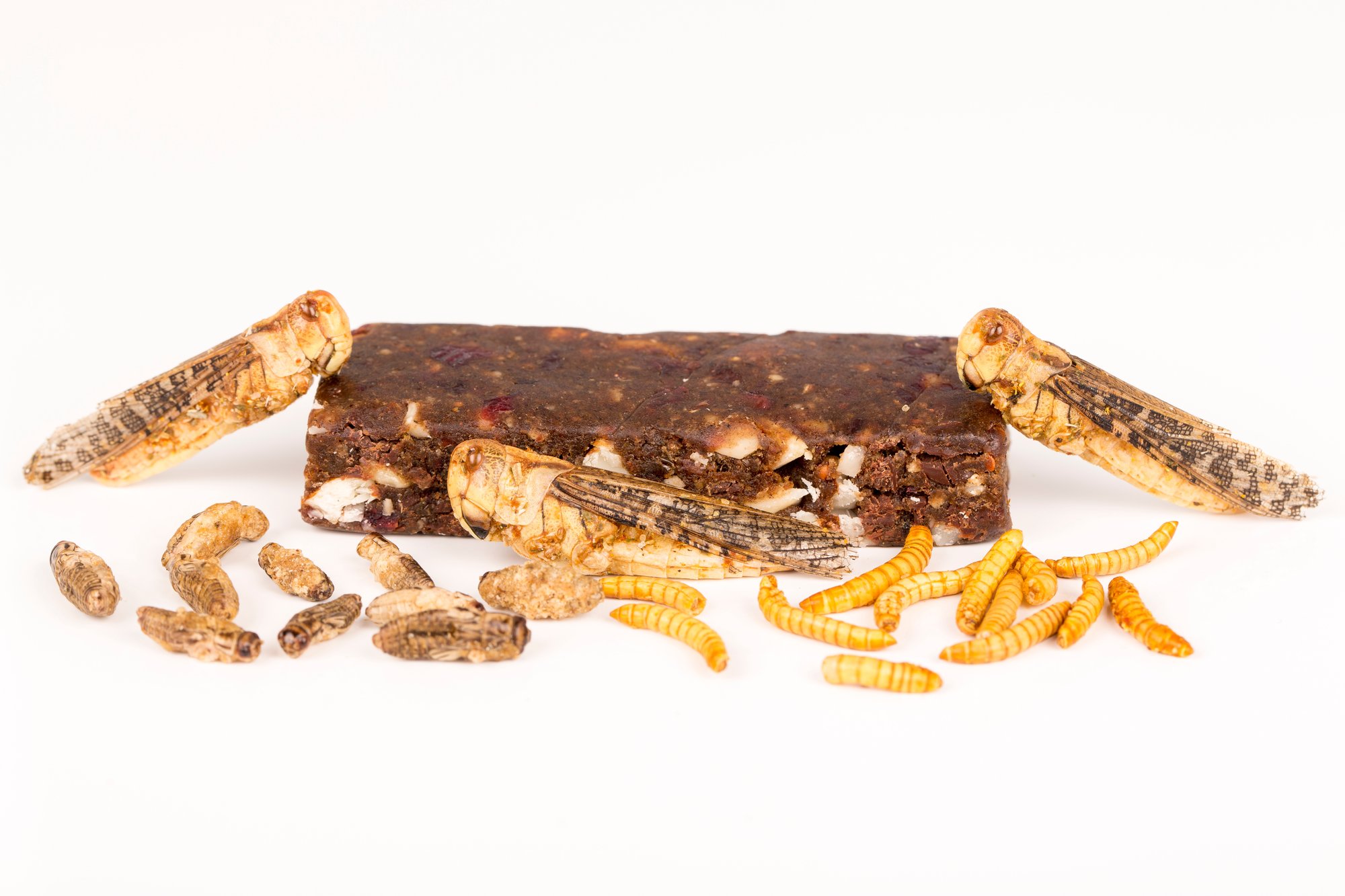
In our Barcelona office, we recently had the chance to try some surprisingly tasty cricket energy bars - a timely reminder that the distance from regulatory approval to consumer product is shorter than many assume.

Insect Protein in Animal Feed: Why Regulatory Strategy Matters

Insect-derived proteins are now a serious ingredient in animal nutrition - but regulatory complexity is increasingly what separates fast market entry from costly setbacks.

In the EU, commercialisation depends on species, substrates, processing conditions, and target animals - spanning feed materials authorisation, hygiene, animal by-products, and TSE regulations.

In the US, two new pathways - FDA's AFIC and AAFCO's SRIS - are reshaping market access, each with different implications for timelines, data disclosure, and regulatory certainty.

For insect producers, feed manufacturers, and investors, early regulatory feasibility assessment and a clear understanding of jurisdictional differences are no longer optional - they are a strategic advantage.


As the sector evolves, regulatory literacy is becoming a key competitive advantage for companies developing insect-based ingredients.


Newsletter Section - AVANT project

Can innovative feed additives replace antibiotics?

Reducing antimicrobial use (AMU) in livestock is a key EU priority, with a target of −50% by 2030.
New insights from the EU-funded AVANT Project suggest that while innovation is progressing, there is no single solution.

Promising - but limited impact

The project evaluated alternatives including fibre-based diets, microbiome approaches, and feed additives. Some showed positive results at farm level:

  • Faecal filtrate transplantation: approximately 1.9% AMU reduction

  • High-fibre diets (e.g. alfalfa): approximately 0.5% reduction

These gains are meaningful but fall well short of what is needed to meet EU targets.

Beyond additives

Nutrition alone will not solve the problem. The AVANT findings confirm that effective AMU reduction requires a combination of optimised feeding strategies, improved farm management, disease prevention and vaccination, and reduced weaning stress.

The regulatory reality

Some of the most promising innovations - including microbiome-based solutions - still face significant regulatory and scalability challenges, limiting their short-term adoption in the EU. Companies developing in this space should engage early with regulatory strategy to avoid late-stage obstacles.

AdobeStock_811059181

Takeaway:

Reducing antimicrobial use is not about replacing antibiotics with a single alternative. It requires integrated, system-level solutions - where feed, management, and regulation work together.
Read more: Prevention of post-weaning diarrhoea in intensive pig production: insights from the European Union project AVANT


Upcoming Argenta-Hosted Events
Discover our upcoming conferences and workshops designed and hosted by Argenta experts.


Where to meet us - August & September 2026

This August and September, Argenta will be present at key industry events across Europe. Whether you are looking to connect with our team, exchange insights, or explore how we can support your projects - we would love to meet you in person. You can find us at:

36th European Veterinary Dermatology Congress_logo_adj
36th European Veterinary Dermatology Congress

Co-organized by the European Society of Veterinay Dermatology (ESVD) and the European Colleage of Veterinary Dermatology (ECVD)

27 - 29 August 2026
Lille, France

KC Animal Health Corridor

KC Animal Health Corridor

2026 Animal Health Summit 

31 August - 1 September 2026
Kansas City, USA 

WBC_2026_cut

33rd World Buiatrics Congress 2026 

6 - 10 September 2026
 Istanbul, Turkey

SPACE_2026

SPACE 2026 - The Global Show for All Animal Farming 

15 - 17 September 2026
Rennes, France

DGV_poultry deseases

The 111th Expert Meeting on Poultry Diseases

24 - 25 September July 2026
Hannover, Germany

Work with us_banner1

Work with us:

With over 25 years of experience, 500+ dossiers submitted, and a 95%+ approval rate, Argenta's regulatory team is ready to support you - from initial feasibility through to dossier submission and post-approval stewardship.

Is your dossier ready

Is your Dossier ready?

Book a 30-minute regulatory strategy call with one of our experts. Contact us at info@argentaglobal.com or visit www.pentec-consulting.eu

Don’t miss the next Newsletter Issue → Subscribe now

Do you need regulatory support for your animal nutrition or human nutrition projects?

Experts in regulatory strategy and submissions

Argenta can support you navigate through complex regulatory requirements. Whether you are planning your next feed additive submission or refining study protocols and reports, we are here to help you move forward with confidence.
For further information or regulatory support, feel free to contact our regulatory affairs team.